In the competitive world of financial services, attracting and keeping clients is integral for long-term success.
But here’s the thing: Effective lead generation isn’t just about quantity – it’s about finding the right prospects who align with your services and have the potential to become loyal, long-term clients.
And, if we’re being honest, generating leads is only half the battle. You also need to build trust, nurture relationships, and deliver consistent value to retain those clients.
With this in mind, let this resource serve as a comprehensive guide to help you master lead generation and retention strategies tailored specifically for financial services.
In financial services, one size doesn’t fit all. If you try to appeal to everyone, you’ll end up resonating with no one. That’s why understanding your target audience is essential, and more importantly, why niching down can be the game-changer you’re looking for.
When you niche down, you focus your efforts on serving a specific group of people with unique needs. This approach allows you to become an expert in their pain points, goals, and challenges, positioning yourself as the go-to financial advisor for that audience.
A well-defined niche allows you to craft marketing messages that speak directly to your audience. Instead of using generic language like “We help with financial planning,” you can say, “We specialize in helping tech professionals maximize their stock options and build wealth.” This specificity captures attention and builds trust, as your audience feels like you truly understand their unique circumstances.
Niching down also helps you differentiate yourself in a sea of generalists. (And, let’s be honest, there are thousands of generalists in this field.) When you focus on a particular group, your expertise becomes your selling point. For example, if you specialize in serving physicians, your knowledge of their unique financial challenges – like managing medical school debt or navigating complex tax codes – sets you apart from advisors who take a more general approach.
To identify your niche, start by analyzing your current client base. Look for patterns in the types of clients you enjoy working with and those who bring the most value to your business. Consider factors like:
Once you identify your niche, dive deep into their world. What are their biggest financial pain points? What are their aspirations? What challenges do they face that you can solve? The more you understand, the better equipped you’ll be to offer tailored services and build trust.
Your website should act as a hub for your services. It should provide valuable content and help you capture leads through well-placed calls to action (CTAs). And if you’re going to win with digital marketing, you need to show a commitment to the following:

Investing in digital marketing not only brings in leads but also ensures that you stay top-of-mind for clients actively seeking financial services.
Social media platforms like LinkedIn, Facebook, and Instagram can be powerful tools for connecting with potential clients. However, the key is to use these platforms strategically.
On LinkedIn, for example, you can position yourself as an expert by sharing articles, posting updates, and engaging with your network. On Facebook and Instagram, visual content like infographics or success stories can resonate with followers.
You can also leverage social media ads to target specific audiences. For instance, if you specialize in retirement planning, you can run targeted campaigns aimed at individuals aged 50 and older with specific income levels.
Clients in the financial services industry often approach providers with skepticism. To overcome this, you need to build trust by providing value before asking for anything in return.
One effective strategy is to offer free resources like:
These resources demonstrate your expertise and give potential clients a taste of the value you can offer. For example, a free guide titled “10 Steps to Maximize Your Retirement Savings” can attract leads who are actively seeking help in this area.
Referrals are another effective way to generate high-quality leads. A referral from a trusted source carries more weight than any marketing campaign, as it comes with a built-in level of trust.
Encourage your existing clients to refer friends, family, or colleagues by offering incentives like discounts, gift cards, or complimentary consultations. On top of this, you’ll want to build relationships with other professionals in your industry, such as accountants, attorneys, or real estate agents, who can refer clients to your services.
If your lead capture process is clunky or complicated, you risk losing potential clients before they even have a chance to connect with you. Make it easy for prospects to reach out by:
A streamlined lead capture process ensures that interested prospects can take the next step without frustration.
Not every lead will convert immediately. Some prospects may need time to evaluate their options or build trust in your services. Email marketing is an excellent way to stay connected with leads over time.
Create an email nurture sequence that provides consistent value, such as:
The goal is to keep your brand top-of-mind so that when the prospect is ready to act, they think of you first.
While lead generation is important, retaining existing clients is equally – if not more – critical. Satisfied clients are more likely to refer others and expand their use of your services over time.
There are hundreds of different techniques and strategies you can use to strengthen your client retention; however, here are a few of our favorites:
You can’t improve what you don’t measure. Regularly evaluate the performance of your lead generation and retention strategies to see what’s working and what needs adjustment.
Use tools like Google Analytics, email marketing platforms, and CRM software to track key metrics such as:
Sometimes, the best way to improve your lead generation and retention efforts is to bring in outside expertise. Partnering with marketing agencies, consultants, or software providers specializing in financial services can help you implement more effective strategies.
At Marketer, this is where we come in. We actively partner with businesses and brands that are looking to implement sound digital marketing strategies that produce high-quality leads that result in sales. Interested in learning more about what a partnership would look like? Please contact us today!

Running an e-commerce business means constantly looking for ways to drive more traffic, convert leads into sales, and turn one-time buyers into loyal customers. But it’s not just about getting people to your site. You also have to capture their interest, engage them with value, and build relationships that last. Lead generation is the backbone of this process, and when done right, it can take your ecomm business to new heights.
Here are some actionable tips to help you generate leads, drive sales, and foster customer loyalty in your e-commerce business.
A lead magnet is something valuable you offer in exchange for a customer’s contact information. For an e-commerce store, this could be a discount code, a free guide, or exclusive access to sales. The key is to make the offer so compelling that potential customers can’t resist signing up.
For example, if you sell fitness gear, offer a free e-book on “10 Quick Workouts for Busy Professionals” when customers sign up for your email list. Or, if you specialize in beauty products, provide a 15 percent discount code for new subscribers.
Make sure your lead magnet is easy to claim and aligns with your audience’s interests. Once you have their email, you can nurture the relationship and encourage them to make a purchase.
Your website is the central hub for your e-commerce business, and if it’s not optimized for lead capture, you’re leaving money on the table. Every visitor to your site is a potential customer, but without the right tools and strategies in place, they may leave without taking any action.
To turn visitors into leads, you need to make it as easy as possible for them to engage with your brand and share their information.

Don’t underestimate the power of timing. Exit-intent pop-ups are an effective way to capture leads just before visitors leave your site. These pop-ups detect when someone is about to close the page or navigate away and present an enticing offer, such as “Wait! Here’s 10% off your first order – sign up now!” This last-minute effort can convert hesitant visitors into leads.
A clean, user-friendly design also plays a big role. Use clear headings, concise descriptions, and visually appealing layouts that draw attention to your forms. A prominent call-to-action (CTA) like “Subscribe Now” or “Get My Discount” should guide users to take the next step.
The key is to ensure your offer aligns with the interests and needs of your audience. For example, if you sell skincare products, offer a free guide to building a skincare routine or a sample-size product for new subscribers.
Adding social proof near your lead capture forms can also boost credibility. For example, include testimonials or a statement like “Join over 10,000 happy subscribers!” to show that others trust your brand.
Consider incorporating visuals like icons, images, or videos that enhance the appeal of your lead capture efforts. For example, a short video explaining the benefits of subscribing can add a personal touch that resonates with visitors.
For example, if your exit-intent pop-ups have a low conversion rate, try tweaking the offer or design. If your homepage form isn’t performing well, consider moving it to a more prominent location or simplifying the sign-up process.
Social media platforms are goldmines for finding and engaging potential customers. Create content that resonates with your target audience and drives them to your site.
Run contests or giveaways that require participants to provide their email addresses. Promote your lead magnets through ads or organic posts, and use CTAs to direct followers to landing pages where they can sign up.
Interactive content like polls, quizzes, and live Q&A sessions can also help you engage with your audience while collecting valuable information. Don’t forget to include links to your website and sign-up forms in your profiles and posts.
Paid ads can supercharge your lead generation efforts if used correctly. Platforms like Google Ads, Facebook, and Instagram allow you to target specific demographics, making it easier to reach people who are most likely to be interested in your products.
Focus on creating ads that highlight your lead magnets or special offers. For example, run a Facebook ad promoting a limited-time discount for email subscribers. Use retargeting ads to re-engage visitors who’ve browsed your site but didn’t make a purchase.
(As an aside, always monitor your ad performance and adjust your strategy based on what works best for your audience. Ad effectiveness ebbs and flows and it’s easy for a profitable ad to turn sour without much notice. By staying on top of the analytics, you can quickly pivot and evolve.)
Email marketing is one of the most powerful tools in your e-commerce arsenal. It allows you to connect with leads and customers directly in their inbox, where they’re most likely to engage with your brand on a personal level. But for email marketing to work effectively, it needs to provide real value – not just promotions and sales pitches.
Start by segmenting your email list based on customer behaviors, interests, and purchasing history. For instance, if someone signed up after downloading a free guide, you might send them follow-up emails that offer related products or helpful tips aligned with that guide. Personalization is key to making your emails feel relevant and engaging.
Once you’ve segmented your audience, focus on delivering content that resonates with their needs and interests. For example, if you sell kitchen appliances, send recipes, how-to guides, or cleaning hacks alongside product recommendations. These value-packed emails build trust and establish your brand as a helpful resource, increasing the likelihood that recipients will open future emails and make purchases.
Welcome emails are a critical first step in building a connection. When someone signs up for your email list, greet them with a friendly and informative message. Introduce your brand, share your unique selling points, and include an incentive like a discount code to encourage their first purchase.
Consistency matters just as much as content. Develop a regular email cadence to stay on your audience’s radar without overwhelming them. Weekly or bi-weekly updates are a good starting point, but always prioritize quality over quantity. Use email to highlight new arrivals, exclusive promotions, and seasonal sales, but balance these with content that feels genuinely helpful or entertaining.
Automation can take your email marketing to the next level by ensuring timely, relevant communication. For example, set up automated workflows for abandoned cart emails to remind customers about items they left behind, or post-purchase emails to thank them for their order and suggest complementary products. These touchpoints keep your brand top-of-mind while encouraging repeat business.
Finally, don’t forget to include strong calls-to-action (CTAs) in every email. Whether it’s “Shop Now,” “Learn More,” or “Claim Your Discount,” make it clear what the recipient should do next. Pair these CTAs with visually appealing designs and mobile-friendly layouts to ensure a seamless experience.
Trust is a critical factor in lead generation. People are more likely to engage with your business if they see proof that others have had positive experiences.
Encourage satisfied customers to leave reviews and testimonials on your website, social media, or third-party platforms like Yelp or Trustpilot. Feature these reviews prominently on your site, especially near CTAs or lead capture forms.
Video testimonials or user-generated content showcasing real customers using your products can be particularly persuasive. The more authentic and relatable the feedback, the more likely potential leads are to trust your brand.
A smooth shopping experience is essential for turning leads into customers. If your site is difficult to navigate, slow, or buggy, you’ll lose potential buyers.
Optimize your website for speed and mobile devices, as many users shop on their phones. Make the checkout process as straightforward as possible – avoid requiring account creation, minimize the number of steps, and offer multiple payment options. By removing friction from the shopping process, you’ll improve conversion rates and encourage repeat business.
Lead generation doesn’t stop at the first sale. Building loyalty is equally important for long-term success. Implement a loyalty program that rewards customers for repeat purchases, referrals, or social media engagement.
For example, offer points for every dollar spent that can be redeemed for discounts or free products. Create exclusive perks for loyal customers, such as early access to new arrivals or special promotions.
Loyalty programs not only encourage repeat business but also turn satisfied customers into brand ambassadors who promote your business to others.
Lead generation is not a one-size-fits-all process. What works for one business might not work for another, so it’s essential to continuously analyze your results and refine your approach.
Use tools like Google Analytics, social media insights, and email marketing software to track metrics such as conversion rates, click-through rates, and engagement levels. Identify what’s working and what isn’t, and adjust your campaigns accordingly.
Experiment with different lead magnets, CTAs, and content formats to find the most effective combination for your audience.
Ultimately, the goal of lead generation is not just to make a sale but to build lasting relationships with your customers. Treat every lead as a person, not just a potential transaction.
Engage with your audience authentically – respond to comments and messages, personalize your communications, and show genuine appreciation for their support. When you commit to fostering trust and loyalty, you’ll turn one-time buyers into lifelong advocates for your brand.
At Marketer.co, our team of experienced e-commerce digital marketing professionals and creatives want to work with you to create a cohesive marketing strategy for your e-commerce business so that you can scale with ease. Contact us today to learn more!


Creating a high-converting landing page is an important component of any digital marketing strategy.
This step-by-step guide outlines the process for crafting and optimizing websites that generate higher clickthrough rates, conversions, leads, and sales. We’ll cover everything from identifying goals to understanding your target audience to designing a compelling call-to-action (CTA).
We'll also go over how to craft messages with impactful language; select eye-catching visuals; include social proof elements such as reviews or case studies; optimize mobile useability and loading speed performance—and more!
Finally, we will discuss testing your site so you can gather data on its effectiveness in order to further tweak it until it's just right.
By following our tips and recommended best practices carefully, marketers can create user experiences across all devices through an effective combination of content.
When creating a landing page, the first step is to identify and define its primary goal. This should be done in order to create an effective plan of action that moves viewers toward desired outcomes such as conversions or contact form submissions.
It’s critical for marketers to have a clear understanding of how they want their visitors to respond after viewing the content on their landing pages so they can craft messages with clarity and purpose. Identifying your primary goals will help make sure you are conveying this message effectively throughout each element on your page from visuals, headlines/subheads to CTAs (Call-to-Action).

When creating a high-converting landing page, understanding the target audience you are trying to reach is key. Identifying their needs and pain points will help inform your overall messaging strategy.
Researching competitor websites or using consumer surveys can provide insights into what problems your potential customers have that need solving and how they might perceive solutions in terms of cost/benefit analysis.
Asking open-ended questions about topics related to the goal of your landing page can also be beneficial for further understanding customer interests as well as any challenges or frustrations often experienced with current product offerings on the market today.

The headline and subheading of a landing page are arguably its most important elements. They need to be attention-grabbing, eye-catching, and capture the audience’s interest in order for them to click through.
The headline should clearly explain what visitors can expect from the offer/product as well as establish an emotional connection with readers by creating curiosity or using words that evoke action.
Subheadings allow you to add additional detail regarding your product or service without overwhelming users with too much information at once.
Both headlines and subheadings must provide enough explanation so individuals know exactly why they should take further action on it—this encourages clicks which leads more people to take part in whatever goal is set out by this specific landing page!
When crafting an effective headline and subheading, it is important to focus on simplicity yet clarity. Keep both headlines short and concise since visitors often skim rather than read web pages in full. Using active words that can evoke emotion also helps make the headline memorable - aim for something that makes your audience stop scrolling so they actually consider reading further into the page instead of moving onto another website or article without a thought.
Additionally, adding numbers within your headline encourages people to click as well; specific figures suggest you have factual proof about what you are offering which causes readership rates to swell proportionately!
Having a clear and concise message on your landing page is essential in conveying the value of what you are offering to visitors. With millions of competing products and services out there, it's important that users instantly understand why they should invest their time or money into yours. A well-written message can significantly impact your landing page conversion rate by simplifying complex information while communicating the unique qualities that make your product stand out from its competitors.
Crafting an effective call-to-action (CTA) also relies on having a single, easy-to-understand main point for visitors to take action upon—which is one of the landing page best practices and requires strong messaging upfront.
Writing a clear and concise message to appeal to your target audience is key to creating an effective landing page, especially when you're spending money for paid ads. You should make sure that you understand what the needs, pain points, or challenges of this group are so you can craft a relatable message that contributes to your landing page's success.
Make use of storytelling elements, as they tend to evoke stronger emotions from readers, helping them connect with the content better than dry facts could do alone.
For converting landing pages, incorporate supporting data (surveys, studies, etc.) where necessary for extra credibility, but don’t let it overtake details such as anecdotes or quotes that add humanity and relatability inside complex messages about products/services. Reviewing landing page examples and considering whether longer landing pages might better suit your audience can also make a big difference.
Using visuals on your landing page is essential for capturing attention and communicating key messages. High-quality visuals can help to enhance the user experience, emphasize important information, break up blocks of text, and add a sense of professionalism.
Visuals such as images, videos, or infographics can make it easier for users to understand what’s being offered quickly without taking much mental effort which encourages them to opt into their offer faster.
In addition, research shows that using relevant imagery within content increases engagement by 94%. Therefore high-quality visual elements should always be included in any successful landing page design.

When it comes to choosing visuals for your landing page it’s important to pick eye-catching ones that will resonate with the target audience and add value. Select images related specifically to what you are offering, as general stock photos can be off-putting.
Additionally, make sure all the visuals used on the site look professional and represent your brand well.
You should also optimize visual content items such as videos, gifs, or infographics in a way that encourages user engagement while providing valuable information about products/services being promoted on the landing page; include captions when needed so users understand them quickly and easily.
When creating an entire landing page, it is important to include social proof and other credibility indicators. This helps build users’ trust in your business or product, as well as conveys that the offer and value proposition you are presenting on your website has been validated by actual customers or partners of yours.
Examples of including social proof could be customer testimonials, case studies showcasing successes with clients related to what is being offered, or awards/badges from trusted sources showing validity (like BBB accreditations), etc. All these should align with your overall goal defined for this particular landing page—ultimately boosting your landing page conversion rate and converting more site visitors into paying customers!
Including social proof and credibility indicators on a great landing page is essential for building trust with the target audience. Utilizing customer testimonials, case studies, and trust badges are effective ways to boost an organization’s reputation among its customers.
Customer testimonials showcase how satisfied individuals have been with their purchase or experience while working with your company—building up potential leads' confidence in doing business with you as well. Case studies provide detailed insight into what results were achieved from using your product or service, which can turn first-time visitors into loyal customers.
And finally, utilizing industry-standard trust seals, such as BBB accreditation, signals safety when making online transactions and adds overall legitimacy and authority to brand websites. These elements are particularly effective when used across design landing pages or even entertainment landing pages, ensuring consistency and credibility across categories.
Creating a clear and prominent call-to-action (CTA) on your landing page is essential to its success. A CTA should be easy for visitors to spot, understand, and act upon. Without it, no conversions can takeplace.
By making the CTA highly visible through clever design or placement – such as using large buttons with contrasting colors that stand out from other elements of the page – users will know exactly what action they are supposed to perform next in order to get closer to achieving their goal(s).

When designing a call-to-action for your landing page, the goal should always be to create one that aligns with and reinforces the primary purpose of the page.
To do this effectively, you’ll need to make sure it stands out from other elements on the page and clearly delivers what action visitors are expected to take.
Using contrasting colors as well as smaller bits of graphics or icons can help draw attention without overwhelming people—though don’t skimp on copy either; explaining why they should act is just important!

Mobile devices have become the go-to way to search and explore content online. Having a landing page that is optimized for mobile users ensures an enjoyable user experience which can mean the difference between keeping or losing potential customers.
Optimizing your landing pages also helps with the overall performance of the website, making sure it loads quickly in order to reduce frustration on behalf of visitors waiting too long for the content they requested. Fast loading times are essential not just from a usability standpoint, but from ranking signals perspective as well - Google takes into consideration how fast webpages load in their Search Engine Results Pages (SEO).
Focusing efforts towards optimizing page speed will benefit both desktop and mobile audiences alike since most modern websites nowadays employ responsive designs capable of accurately adapting themselves according having different device specifics like screen size etc.
When optimizing a landing page for mobile devices, it's important to have a responsive design that automatically adjusts the content layout and images so they display properly on all screen sizes. Additionally, make sure buttons are large enough to be accurately tapped on touchscreens.
To reduce page load time — which is essential since most visitors will abandon your site if it takes too long to fully download– use smaller image files (which can easily be done using online tools like TinyPNG) as well as caching methods such as browser or server-side caching; this store's certain elements of website data in order speed up refresh times.
Furthermore, leverage Content Delivery Networks – networks of servers dedicated solely to delivering web content - and remove any unnecessary homepages and plugins from the site architecture before launch!

Testing and measuring the effectiveness of your landing page is an essential step in creating a high-converting one. By testing different versions on how the elements such as visuals, headlines, message copy, etc.--are placed within it you can make well-informed decisions when making necessary changes to enhance its performance.
from related factors–traffic sources, visitor clicks & dwell time –you will be able to gain insights into user behavior that inform which aspects are successful for improving conversion rates so that your efforts remain focused towards driving more leads effectively resulting in increased ROI.
Testing and measuring your landing page is crucial for establishing its effectiveness. A/B testing tools are a great way to test different versions of the same design in order to determine which one produces the best results.
It’s also helpful to review analytics data such as click-through rate, bounce rate, conversion rates, etc., so you can see how visitors interact with each version of your page.
You should always be looking for ways in which you can optimize based on what works and eliminate elements that don’t help reach goals or engage customers.
Consistent testing and optimization efforts like this over time will allow for creating an efficient high-converting funnel from the start (landing page) through the finish (transaction).
Creating a high-converting landing page is essential for the success of any online marketing campaign.
It’s important if you take these points into consideration it leads to increase conversions significantly. Keep in mind that what works best may be different from business to business – always experiment until optimal performance levels are achieved!

Lots of digital marketers openly proclaim that search engine optimization (SEO) is the best marketing strategy for most businesses.
But what makes a marketing strategy the best? Obviously, that question is subjective. However one of the most common ways to evaluate the quality or effectiveness of a marketing strategy is to measure SEO ROI– its return on investment.
In other words, we want to know whether a strategy makes more money for a business than it costs them to keep the strategy going. If you spend $10 on ads, do you get at least $10 back?
The higher the ROI, the more valuable a marketing strategy is – at least, by this metric.
So what is the ROI for an average SEO campaign?
How do you calculate SEO ROI?
And does this justify investing in the strategy?

ROI is important because it's one of the most effective tools for ballparking the true value of the digital marketing strategy.
We can't simply look at performance, because this doesn't take cost into consideration. For example, let's say a new marketing strategy brings you $5 million of new revenue, but it costs you $6 million to plan and execute; even though this strategy brought in lots of money, it's still technically a net loss.
If the ROI of a marketing strategy is positive, we can consider it a sound investment. We can also use relative ROI to compare different marketing strategies and determine which, among them, is most worthy of our investment dollars.
Ultimately, ROI calculation serves many purposes at once:

So what do we expect, on average, from an SEO campaign? The expected ROI of SEO is going to vary depending on what, exactly, you’re measuring and who’s doing the calculating. Marketing strategies, in general, are considered a great success if you have a 500 percent ROI – in other words, getting back $5 for every $1 you spend. ROI for an SEO campaign could be as high as 1,220 percent – or even higher – but if the campaign is mismanaged, you could come up negative. Generally, we expect the ROI for any SEO campaign to be roughly positive. In other words, you should make back all the money you spent on SEO, assuming you already have a profitable business in place. As for the degree of positive ROI you see, that depends on many variables, such as:
It’s also important to realize that SEO is a long-term strategy. Over time, you'll accumulate more on site content, you'll build more links, and you'll generate more authority and trustworthiness for your domains. The more you invest, the more powerful you'll grow, and the easier it will be for you to get new pages to rank. The early days of SEO are usually difficult because you won't see any immediate progress from your first round of SEO efforts. Because of this effect, the ROI for an SEO strategy is usually low, or even negative, in the first couple of months. By the time you've spent a few months practicing this strategy, you should be consistently positive. After a few years, you should see much better, more positive results.
To gauge the performance of your campaign, and evaluate whether your spending is “worth it,” you’ll need to calculate marketing ROI for your own efforts.
The most basic method to calculate SEO ROI is very simple. You simply need to compare the revenue this strategy has generated with the money you've spent on it.
In practice, any effort to calculate SEO ROI can get complicated fast.
Let's start by looking at what you spend on SEO. If you want your calculation to be as accurate as possible, you'll need to incorporate all your expenses.
That includes whatever you're paying for SEO agency services and SEO contractors, as well as the salaries of internal SEO personnel and the true costs of any time you spend managing your campaigns.
On-site optimization, content development, link building, and analytics all have individual costs that need to be accounted for.
Once you calculate SEO ROI for a given period, you can estimate how much of a return you're getting from your organic search.
There are a few different approaches you could take here, but it's easiest to start by looking at the behavioral patterns of your organic traffic.
Organic traffic to your website is generated exclusively by organic search engine results pages (SERPs), so it's an excellent way to look at the people coming to your website because they discovered you through search.
First, regularly monitor and check your Google Analytics dashboard.
How many organic visitors are you generating? What is your conversion rate for these visitors? And what is your customer lifetime value (CLV) among these customers?
As a simple example, let's say you generate 10,000 organic visitors per month with a conversion rate of 2 percent. That means your organic traffic is leading your business to win 200 new customers each month. If each customer has a lifetime value of $1,000, this represents $200,000 of returns. Even if you're spending $10,000 a month on SEO, this spending is clearly worth it.
There are other variables you should look at as well, including the difference between new visitors and repeat visitors and the value of each individual conversion. But these guidelines should lead you to a fairly accurate estimate when you look to calculate SEO ROI.

Now that we know how to calculate ROI, what steps can we take to maximize it for your SEO campaign? These are some of the best ways to get the greatest possible return out of your SEO investment:

It's hard to give a blanket statement about whether SEO is worth or if your SEO ROI is truly positive, since there are so many different variables to consider and so many different scenarios that could unfold.
More difficult still is even understanding how to properly measure SEO ROI in the first place! It's nebulous and much more difficult to track, especially given the flux and volatility of SEO over the last several years.
However, the average business benefits enormously from SEO, seeing a positive SEO ROI that more than justifies the initial investment and SEO efforts. If you're curious to learn more about how SEO could benefit your business, or if you're ready to start a full campaign, contact us for a free consultation today!


Google does not index every site on the internet.
The year-over-year percentage of the web that is indexed continues to decline.
With nearly 2 billion websites on the internet, it would prove excessively costly and make little business sense to index every possible page the internet has to offer.
Especially when nearly 10% of internet sites are scams at worst and spammy at best.
For the web's most competitive search terms, most users still don't scroll past the first page on Google.
Would it even make sense to have more than 100 indexed little blue links for a single query?
Not really, especially when 90% of clicks will go to the first few results above the fold.
Hence, the latest trend in Google's arsenal is the deindexation of low-quality, low-discoverability content.
Here's what that looks like in Google Search Console (GSC) under Indexing>> Pages:

In an effort to fight spam, search engines are cracking down on:
The latest trend to scale up content using AI (without much human intervention) reminds me of a brilliant statement made by Syndrome from The Incredibles:

The latest Helpful Content Update (or the Unhelpful Content Demotion as we like to call it) and SpamBrain update are the perfect combos to help fight what Google sees as a massive garbling of internet content devoid of true quality inputs to encourage active human consumption.
In other words, they're fighting content created for search engines and not for humans.
The ranking algorithm's new regime is especially deleterious to marketers who engage in heavy link building campaigns.
As Google and other search engines continue to deindex pages they deem irrelevant or spammy, the link building efforts of even some high-profile sites are likely to see a negative downward pressure on some sites' rankings due to search results indexing issues and redirect errors.
Think about how it would look in practice:
A site with hundreds of low-quality backlinks suddenly experiences a massive deindexation of a large percentage of its link graph, pushing its rankings down.
Adding insult to injury, pages in similar neighborhoods as other deindexed pages are more likely to also experience similar deindexation issues due to dynamic page requests, server errors, and bad or empty URLs, as their content is marked as irrelevant and bumped out of the index.
The good news is that Google is also kind enough to show you where your deficiencies lie so you can adapt accordingly.
Examples from GSC include:
Most of the issues listed above are simple fixes for a knowledgeable webmaster.
The two bolded are a bit more nuanced and worth further discussion.
While the chart above might get your cortisol levels rising, there are solutions to both avoiding deindexation and reversing the tide of existing deindexation across your website.
When you submit a brand new sitemap to Google, the web crawlers may take some time before they crawl your sitemap.
When your sitemap is crawled, the search spiders will notice pages to be crawled, but they will likely only crawl a small portion of your overall sitemap with each subsequent pass.
A site can have pages that are in a sitemap (which is a clear indication a webmaster would prefer to have them crawled and indexed in search), but that doesn't necessarily mean that:
The following two graphs are from the same site listed above, just for continuity.

Even when the search engines DO crawl, they may choose not to index your pages:

GSC will show you exactly which pages have been crawled but not indexed.
Any solution always starts with the quality of your content assets.
You may need a content quality audit which could use one or more of the following tools:
While some tools are meant to be AI plagiarism checkers, others are better at finding what keywords may be missing in the body of your text that would make them comparable and uniquely created.
Cora and Surfer do a great job of providing prompts for inputting the right LSI (latent semantic Indexing) and entity keywords that will be critical for a particular page to be statistically on par with other pages in top positions.
Furthermore, these and other software tools can show you other ways in which your page may be deficient compared to higher-ranking competitors.
We outline the most statistically significant factors here.
But the most important on-site factors to consider are:
If you have been using an AI tool to help generate pages, you will need to perform some human upgrades, but not necessarily a full rewrite of the content itself.
Robots (and even people) can tell when content has been created using GPT-3 and other natural language processing or machine learning tools.
Machine learning algorithms may not be able to discover the internet's ghostwriting problems, but they can discover AI-generated content.
A good content editor or editing team can also be incredibly helpful in upgrading your content, making edits, and otherwise improving.
There is a fun manual scan tool in the Google Search Console.

When you are done upgrading and updating your content, be sure to show the precise URL as a prompt in GSC for Google to add to the priority crawl queue.
While your sitemap will post any newly updated items to the top of the list when bots come to recrawl the site, this is more likely to speed up the time to get a recrawl and reassessment of the quality of your content.
Your content needs to be discoverable to search engine crawlers.
If you're not giving them the right signals, you will continue to have pages that are not indexed or fall out of the index. Build more links using relevant anchor text to the most important pages of your site, particularly those you want to have discovered, crawled, indexed, and ranked. It's that simple.
Just because a page or post is in your sitemap doesn't mean search engines feel it's worth ranking. You need to show them what is important through the proper use of search words, redirect URLs, and an efficient indexing process.
When users search for a particular search word, you want your category pages to be prominent in the search results. Simply having a page listed in your sitemap doesn't guarantee its importance to search engines—you need to indicate clearly which pages matter most.
Get the word out to industry-specific influencers, writers, and promoters about the value of your content and your site.
Notice this heading did not say, "Go out and build links.
"While link building can be helpful, it's also a double-edged sword when it comes to promotion, and the power of links continues to wane.
Yes, link building is a subset of your promotion efforts, but you should remain very picky about where and how your inbound links are acquired.
Other reputation management techniques, like cleaning up negative Google reviews can have an ancillary benefit as well.
The question you ultimately need to ask is, "Is my content truly an asset, or is it a liability?"
In some cases, and depending on search intent, long-form skyscraper content is completely dead.
Focus on answering a specific query, solving a real-life problem for someone's online search, and doing it better than your competitors, and you will win traffic.
If you want to rank for competitive terms, you will need to work page by painstaking page.

Offering search engine optimization (SEO) services to your clients could be lucrative.
You help them rank higher in search engines, so they attract tons of organic traffic.
They pay you a few thousand dollars per month.
Sounds like a win-win, no? Well, as many ambitious content marketing agency owners can attest, executing the necessary work to make an SEO campaign successful can be challenging.
You need the right resources. You need the right tools. You need knowledge and experience. You need dozens of different specialists in fields like link building, mobile optimization, keyword research, and even data or Google analytics.
If you offer all these things yourself, you'll need to hire a full team, which can greatly increase your costs and jeopardize your profitability.
But there's another option – using a white-label SEO service.
What exactly is white label SEO? How does white label SEO strategy differ from white label marketing? And is it really as good as it seems?
A white label product is one that is figuratively "white labeled," meaning it's not branded by the company that produces it. Instead, it's branded and marketed by a second company, which typically masquerades as the product's originator.
In the specific case of white label SEO, this means another agency is going to do all the search optimization work on behalf of your clients. Depending on the arrangement, that could include keyword research, strategic consulting, content generation, link building, and even reporting and analytics.
Your client will never meet with the white label SEO reseller, nor will they see their brand or know they exist. Instead, they'll see all the work branded with your identity. You get to claim this work as your own.
White label SEO reseller services will charge you a fee (usually a retainer or a per-project fee) for their work. You can mark this up and charge your client whatever you think is appropriate. In exchange for simply passing information back and forth and monitoring the campaign to make sure it's being executed properly, you can make a handsome profit.
These are some of the best advantages of using white label SEO services:
Regardless of how much experience you personally have in search optimization, working with a white label agency gives you access to true experts. You don't need to have an encyclopedic knowledge of Google algorithm updates, nor do you need to offer sage-like wisdom about which keywords to target; instead, you can lean on people who have decades of combined experience and rest assured that your campaigns are going to be managed well. Additionally, because you'll be working with some of the best people in the industry, your clients will likely see better results than they would otherwise.
Whether you're interested in diversifying your overall digital marketing offerings or focusing exclusively on SEO services, you'll be pleased to know that working with a white label provider typically gives you significant flexibility. You can hire this agency for a couple of pieces of content, years' worth of ongoing efforts, or anything in between. If you lose a client, you can terminate your arrangement with the white label services agency. If you gain a client, you can expand your arrangement.
One of the downsides of building your in-house team is that you're fundamentally limiting the resources you can expend on SEO campaign services for your clients. If you only have a few people on your team, you'll have an upper limit of clients you can take on; once you reach that threshold, you'll be forced to either hire more people or stop growing. But with a white label agency, this isn't the case, as white label SEO providers are designed to be scalable. These institutions have access to tons of experts and resources, so they can easily grow with you. There's practically no limit to the work you can send their way.
Speaking of hiring, if you're working exclusively with a white label SEO agency, you won't have to worry about hiring at all. You don't have to worry about creating job descriptions, interviewing new candidates, or training people for a role that they're going to leave in just a few years. All that work is done for you, so you can just sit back and let those experts do what they do best.
Partnering with a white label SEO reseller could mean increased revenue opportunities for your company. If you're currently offering a suite of digital marketing services, but SEO is a weak point, you can now upsell all your existing clients on SEO tools and services – and appeal to new clients as well. And as previously stated, there's no upper limit to how much you can use your white label agency, so as long as you keep finding new SEO clients, you can keep growing.
Do you know the best tools to do research on your competitors? If you had to calculate your domain authority right now, would you be able to do it? Could you figure out where you're ranking for a variety of target keywords and use that information to devise SEO strategies for your campaign? Your white label agency can answer these questions confidently because they have the specialized tools and resources necessary to make their campaigns successful. These are highly specialized, highly experienced groups of people, so they have access to some of the best technologies and resources in the industry.
Salespeople spend a meager 30 percent of their time on selling SEO services. They spend the rest of their time answering emails, attending meetings, and tackling other administrative jobs that aren't relevant to their main responsibilities. If you take on new SEO clients, doing the work yourself, you and your employees are going to be forced to dedicate time to those SEO campaigns. But if you have a white label agency take care of everything on your behalf, suddenly, all that time becomes freed up. You can spend that time on much more important responsibilities, like investing in the business, making critical decisions, tackling core responsibilities, or even just taking a break if your schedule is already overloaded.
Some companies appreciate white label SEO packages because it makes them look amazing. When you report to your clients that you've helped them achieve rank one for some of their most lucrative target keywords, and when you let them know that you've doubled their domain authority in a relatively short amount of time, they're going to be ecstatic. They're going to see your own brand as a bigger, more impressive authority in the digital marketing space, and as a result, they're probably going to spend more with you. Whether you're interested in scaling up your SEO efforts, upselling your clients on different marketing services, or generating more referrals from your existing clientele, this is a net benefit.
If you were going to do all the SEO work yourself, would you be able to prove the value that your organization is adding? One of the perks of working with a white label SEO firm is that they take care of the reporting, analytics, and strategic decisions for you.

They'll give you a breakdown of all the work they did and the results they were able to achieve; they'll also make suggestions for how you can improve these campaigns in the future. It's up to you how you want to use this information.
So far, white label SEO solutions sound like a great deal.
But there are some disadvantages you'll need to consider.
The results of your campaigns are going to be heavily dependent on the quality of the white label agency you hire. While you may be able to do some of the SEO work yourself, the whole point of hiring a white label agency is to support a hands-off approach. If your agency isn't competent, if they don't have available resources, or if they simply misunderstand the goals of the campaign, it can work against you. However, this isn't necessarily an indictment of white label SEO in general; instead, it's a warning that you need to do your diligence before bringing on a white label SEO partner.
Some digital marketing leaders hate the idea of using white label services because they have less direct control. You'll be communicating with your clients constantly throughout this process, so if they ask you a tough question or if they criticize some of the techniques used in their campaign, you might not be able to answer directly. Additionally, depending on the partner you choose, you may not have much control or say in how the agency runs a particular campaign (e.g., link building or local SEO). If you want to see a different style of content marketing or if you have a different strategic philosophy altogether, you may need to find a different white label SEO partner or cope with the fact that this isn't your preference.
Most excellent white label SEO companies make transparency a priority. They openly communicate about their SEO philosophies, tactics, and approaches. They also openly report on their results, acknowledge their failures, and boast about their biggest successes. Even so, by its very nature, this relationship is never fully transparent. You probably won't be seeing or communicating with all the people behind your campaign, and you won't be able to granularly analyze every minor change to your client's web presence.
Working with a white label partner can also introduce some communication issues, especially if you don't have a clear line of contact with an account manager at that agency. If you accidentally misrepresent your client's goals or if your white-label agency misinterprets something you said, it could lead to problematic developments. Still, if both parties are committed to effective communication and some redundant measures to prevent these types of disasters, it shouldn't be a major concern.
You can technically charge whatever you'd like for the SEO services you offer your clients, but if you charge too much, your clients aren't going to pay it. Accordingly, most digital marketing agencies only charge a small markup on top of the core price of white label SEO services. If you compare this to what you could make if you offered all your services in-house, you might be disappointed.

There's no question that reselling SEO services, rather than doing the work internally, is going to lead to reduced profitability on a per-client basis – at least, if you're accounting for a perfect in-house scenario. The math works out very differently if you're forced to hire tons of new people, if you struggle with scaling, or if you aren't able to give your clients results that motivate them to stay with you.
Is a white label SEO provider the right move for your digital marketing agency?
That all depends. If you don't have the SEO experts to do the work in-house, if you're trying to maximize profitability while minimizing effort, or if you just want your clients to have access to the best experts in the industry, white label SEO is a no-brainer.
If you're concerned about transparency or if you want to maintain direct control over your clients' campaigns, white label SEO may not be a good fit.
For everyone else, you're probably somewhere in the middle. If you're feeling uncertain, or if you just want to be sure your white label partner is going to operate effectively, your best bet is to talk directly to a white label SEO company so you can get a better feel for what they do.
Ready to get started with a white label SEO plan? Or do you have a few questions before you're ready to jump in?

The eCommerce industry is constantly growing, evolving, and providing businesses with phenomenal opportunities to profit.
To take advantage of this ever-expanding sector, businesses need to develop powerful marketing strategies that reach the right audience at the right time.
It can make your online store more visible and capture the attention of potential customers who are actively looking for products and services- like yours in major search engines, social media platforms, and other digital channels.
In this blog, we will discuss paid eCommerce marketing strategies such as Search Engine Marketing (SEM), Social Media Advertising, Display Advertising, and more.
We'll also provide some examples from different companies so you can see which ones are succeeding in an increasingly crowded market filled with competitors eager to snatch away a piece of your pie before it even cools off!

Search Engine Marketing (SEM) is a type of internet marketing that involves using paid advertisements to rank highly in search engine results.
It includes optimizing landing pages as well as improving visibility and relevance through other methods such as pay-per-click (PPC), keyword research, and targeted ad placement.
Google Ads, which uses targeted advertising placed at the top of SERP results, and Yahoo marketing which focuses on contextual ads.
Other SEM strategies such as Bing & MSN have also become increasingly popular due to their low-cost options and ability to target specific demographics with paid search.

Social Media Advertising is a type of paid digital marketing that places ads on different social media platforms such as Facebook, YouTube , Instagram, Twitter and LinkedIn.It helps businesses reach their target market through sponsored posts, carousel adverts and video adverts to spark interactions with potential customers by sharing relevant content in an engaging way.
Examples of successful Social Media Advertising campaigns range from Nestlé's Oat Bites product launch to Burger King's #ScaryGoodCostaRica hashtag campaign.
Each one created content that was relevant and engaging to the target market, helping them increase brand recognition, visibility, and loyalty with customers.

Display advertising is a type of marketing strategy that involves placing ads on different websites in display format. This includes everything from banners and videos to interactive media ads, so businesses can get their message across to consumers through visuals or sound.
Examples of display advertising campaigns include using retargeting to serve ads to warm leads , Native Ads which blend into the website and targeted banners placed on high traffic sites related to your product or service.

Influencer marketing is a type of online marketing where influencers, which are individuals with high-level reach and engagement, promote brands' products or services to their large audience base. It incorporates content creation and shares through multiple digital channels such as blog posts, social media platforms, video campaigns, and more.
These are integrated into platforms such as YouTube, Instagram, TikTok, and other popular websites in order to increase brand reach and engagement.

Affiliate Marketing is a type of e-commerce digital marketing that enables brands to increase their customer base by partnering with other businesses (affiliates) and incentivizing them to promote the brand's products or services. In exchange, affiliates receive a commission for each sale generated from their referrals; this is mostly a popular strategy now considering its many benefits.
Examples of successful affiliate marketing campaigns include Amazon's program, where the brand engages millions of affiliates around the world to help promote its products. Other companies such as REI and Blue Apron have also seen great success with their affiliate programs by providing incentives to customers for referring friends or followers to purchase their goods and services.

Email marketing is a form of digital marketing that involves sending promotional emails to potential and current customers. It allows businesses to build relationships, deliver value, promote their products, keep customers informed, and drive ecommerce sales.
Benefits of Email Marketing
Key Components of Email Marketing
This will enable businesses to craft messages that resonate with the customers and deliver value at every step of their journey. This is particularly important for ecommerce stores looking to enhance their ecommerce marketing tactics.
Examples of Email Marketing Campaigns
Companies can also use automation to trigger certain events based on customers' activities for a more personalized experience.

Retargeting is a type of online advertising whose main purpose is to re-engage customers who have previously interacted with a business or its marketing campaigns. It uses tracking codes placed on websites and segments users through cookies in order to show ads only to relevant audiences.
Benefits of Retargeting
Key Components of Retargeting
Examples of Retargeting Campaigns
Each campaign provides a unique opportunity for businesses to re-engage with their audiences by addressing specific interests. This is an effective tactic in any ecommerce marketing plan.

Video Advertising is an effective way to reach potential customers. It involves creating compelling visual pieces, often using multimedia platforms such as YouTube or Vimeo, that send a powerful verbal and non-verbal message about the advertised product or service. It furthers brand recognition and increases engagement among your target audience for increased ROI.
Benefits of Video Advertising
It also allows marketers to track viewer behavior, like how long they watched, which provides valuable insight into optimization efforts for ecommerce brands.
Key Components of Video Advertising
Examples of Video Advertising Campaigns
Choosing the right Paid ecommerce marketing strategy for your business can be a daunting task. It is important to understand what goals you are trying to achieve, who your target audience is, and how they use various marketing channels before settling on one strategy or another.
You should carefully weigh the advantages and disadvantages of each strategy, as well as their associated costs and labor-intensive elements, to choose one that best fits your needs. Knowing these will give you insight into devising strategies tailored towards specific customer segments, thus optimizing results within budgeted ecommerce marketing efforts. This will directly influence your online sales.

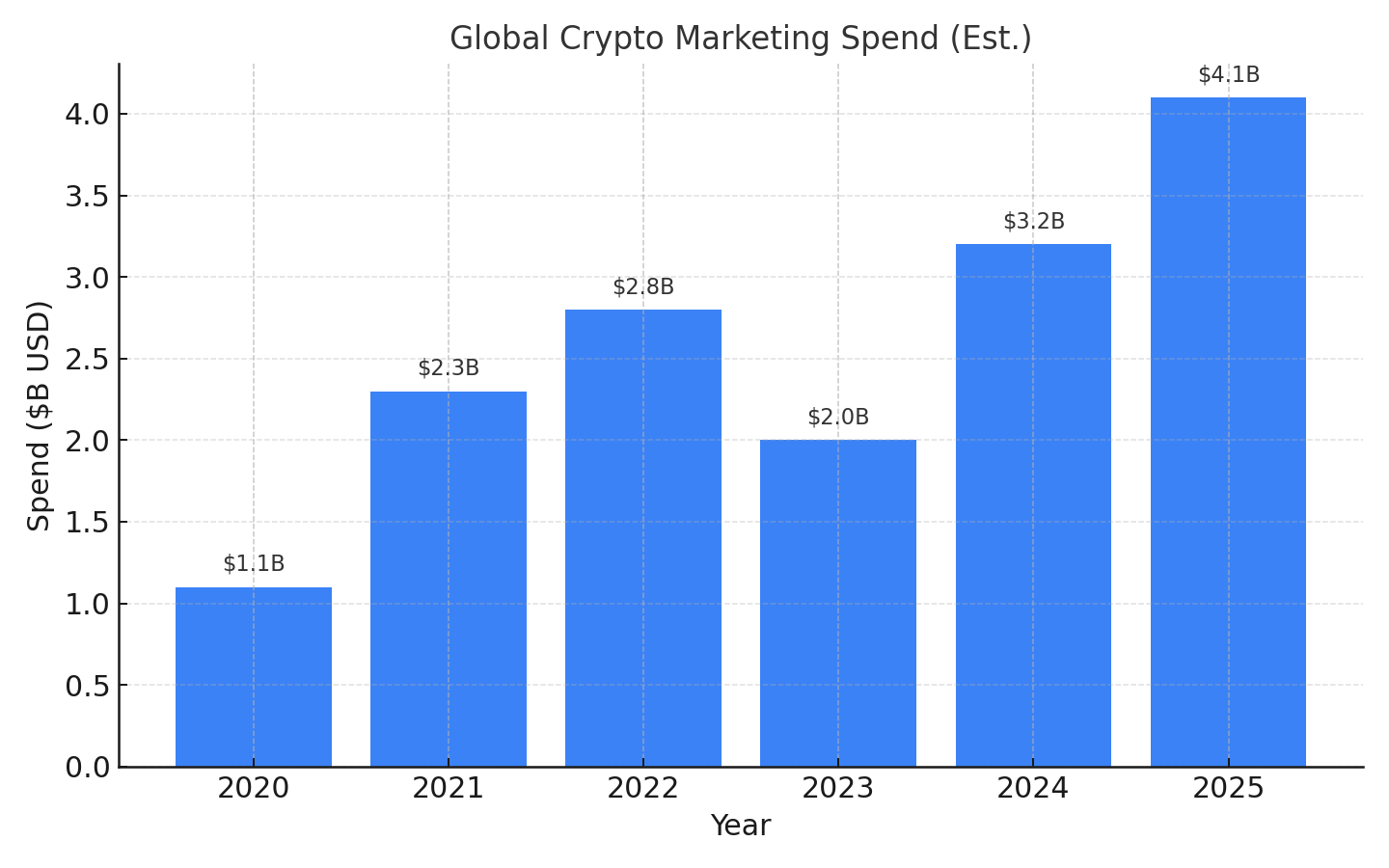
Cryptocurrency digital marketing has re-entered a high-stakes, high-visibility phase. With the global market cap pushing toward $4 trillion and institutional flows increasing via spot Bitcoin ETFs—now holding $145 billion in AUM as of August 2025 ([Bitbo])—crypto brands are seeing stronger upper-funnel momentum across both retail and institutional segments.
However, despite surging adoption, public confidence remains mixed. Only 17% of U.S. adults report having invested or used crypto, and 63% still say they’re not confident in its safety or reliability ([Pew Research]). For marketers, this means education, proof, and transparency are more important than ever—especially in creative messaging and funnel UX.
Cryptocurrency digital marketing in 2025 blends privacy‑safe measurement, KYC‑aware funnel design, and region‑specific compliance (e.g., MiCA, SEC) with community‑led growth. For exchanges, wallets, and L2 ecosystems, the winning mix pairs certified search + SEO compounding with Telegram/Discord activation, authentic KOLs, and lifecycle programs that drive first deposit/trade—and 30‑day active use.
Meanwhile, Google Ads policy updates now allow crypto Search and YouTube campaigns in multiple regions—including the U.S. and Canada—but only with certification and jurisdictional compliance. As a result, top-performing strategies in 2025 center around regulated acquisition channels (Search + SEO), plain-English landing pages, and crypto-native media buys (e.g., Coinzilla, Cointraffic) where display CPMs remain efficient (~€3–€10) ([Coinzilla]).
Institutional buyers—particularly those in the ETF, custody, and hedge fund space—are also significantly increasing their exposure, with 83% planning to grow digital asset allocations in 2025 ([EY–Coinbase Survey]). For retail-facing brands, that validation acts as social proof. Campaigns referencing regulated products like ETFs or [MiCA-licensed platforms] are outperforming “moonshot” messaging.
But, before we dive into the juicy data, we are going to toot our own horn a bit.
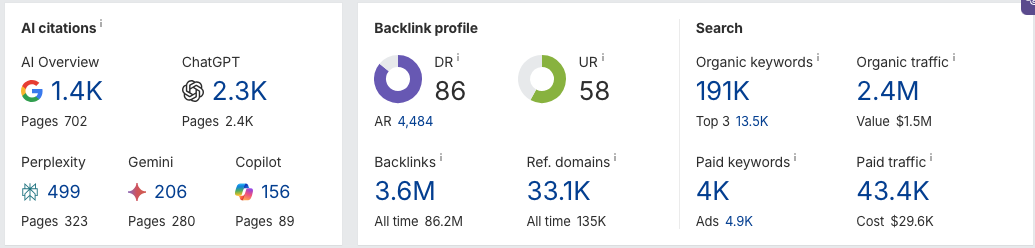
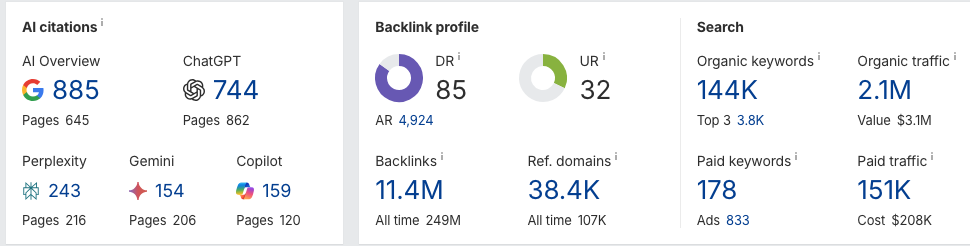
As an agency, we have worked with two very large players in crypto, helping to scale-up their authority, organic traffic and revenue.
Because we maintain high levels of confidentiality with the majority of our clients (most don't want to give away the secret sauce), these screenshots are offered blindly.
However, further details, including the client names and our strategies, can be made available upon request.
Ok, enough bragging. Back to the report!
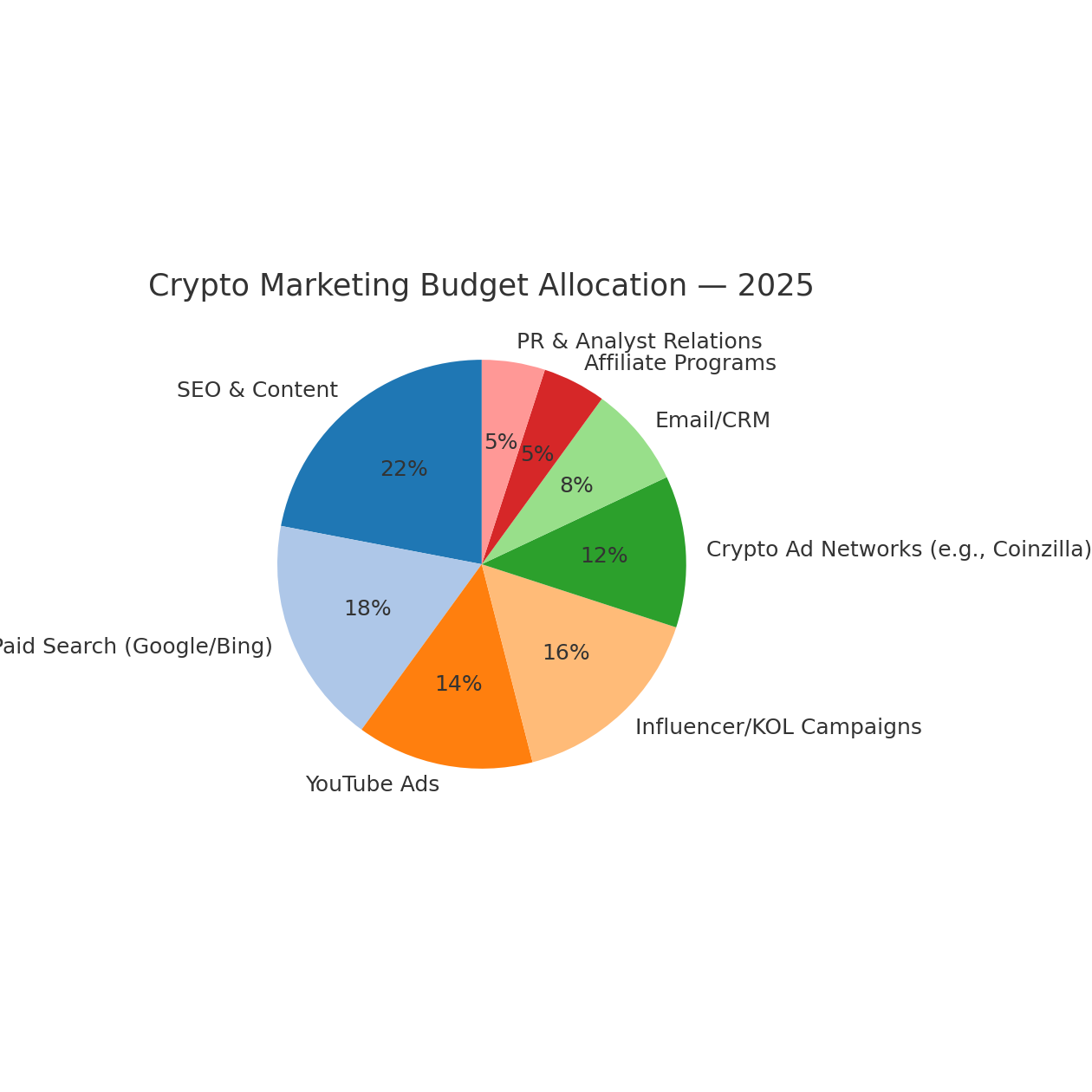
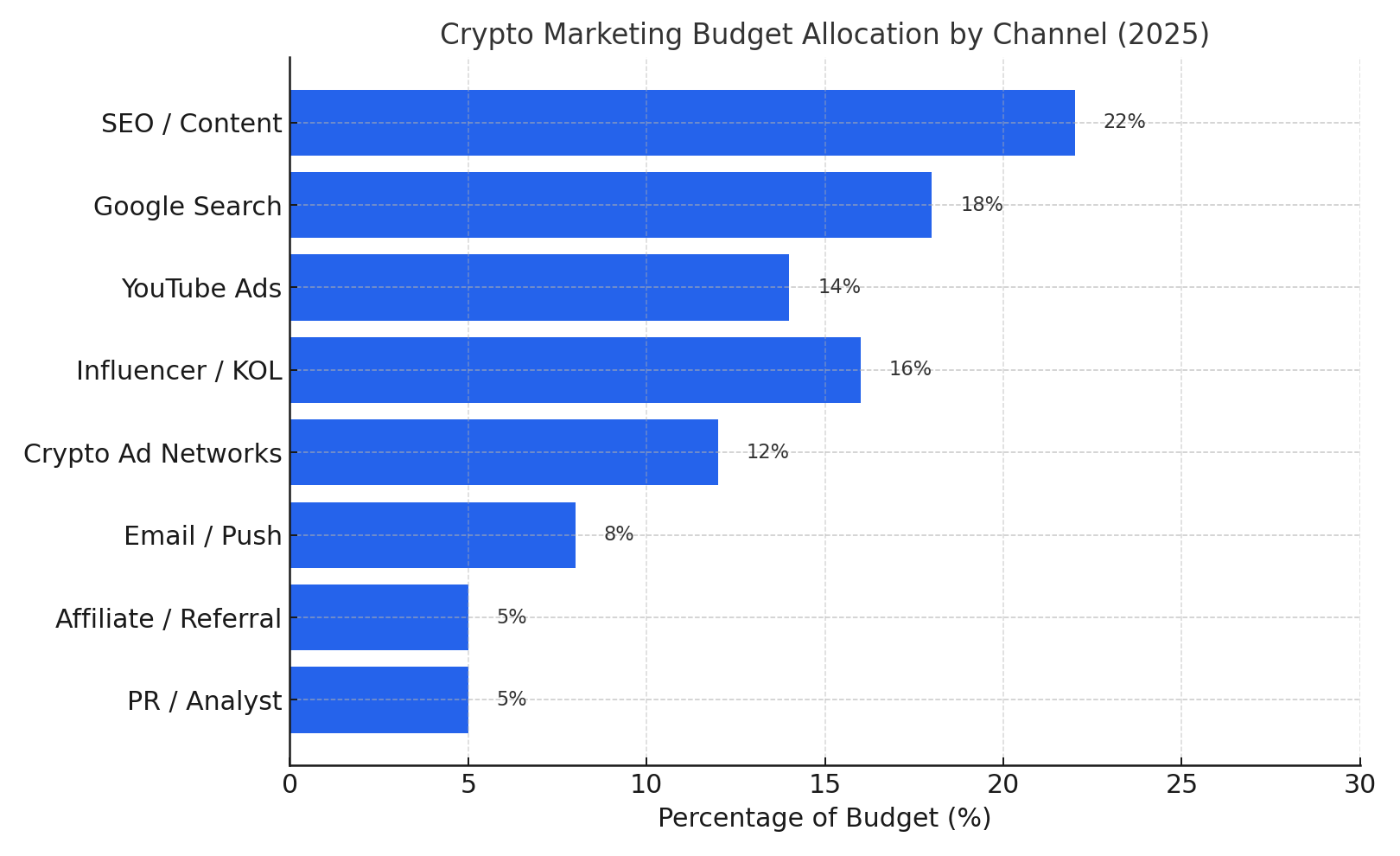
The chart below reflects a modeled breakdown of Web3 marketing budget allocation for 2025, based on aggregated data from crypto-native media networks, performance benchmarks from Web3 marketing agencies, and adjusted global digital ad spend trends. While exact splits vary by company maturity and jurisdiction, the pattern is clear:
Search, content, and KOL-led education now dominate acquisition strategy, while compliant display ads (on crypto ad networks like Coinzilla and Cointraffic) provide cost-efficient reach. Lifecycle channels like email/CRM and affiliates remain underutilized, especially among early-stage Web3 projects.
This model reflects a hybrid funnel reality—where both institutional capital and retail community users must be educated, converted, and retained under increasing regulatory scrutiny.
Because crypto is a hybrid industry—serving both retail consumers and institutional buyers—successful GTM strategies must segment audiences with radically different intents, risk tolerances, and onboarding expectations.
Creative/UX must branch based on compliance level and sophistication. Retail users want simplicity and social proof. Institutions want risk disclosures, whitepapers, and cost structure clarity.
Crypto marketers in 2025 are navigating a channel ecosystem that’s part regulated, part renegade. While traditional channels like Google Search and YouTube now allow crypto advertising (with certification), others—like TikTok and Meta—remain regionally restricted or algorithmically volatile. Crypto-native ad networks (e.g., Coinzilla, Cointraffic) are seeing renewed adoption due to cost efficiency and DeFi reach.
Here’s a performance matrix comparing major paid and organic channels used across retail and institutional crypto funnels:
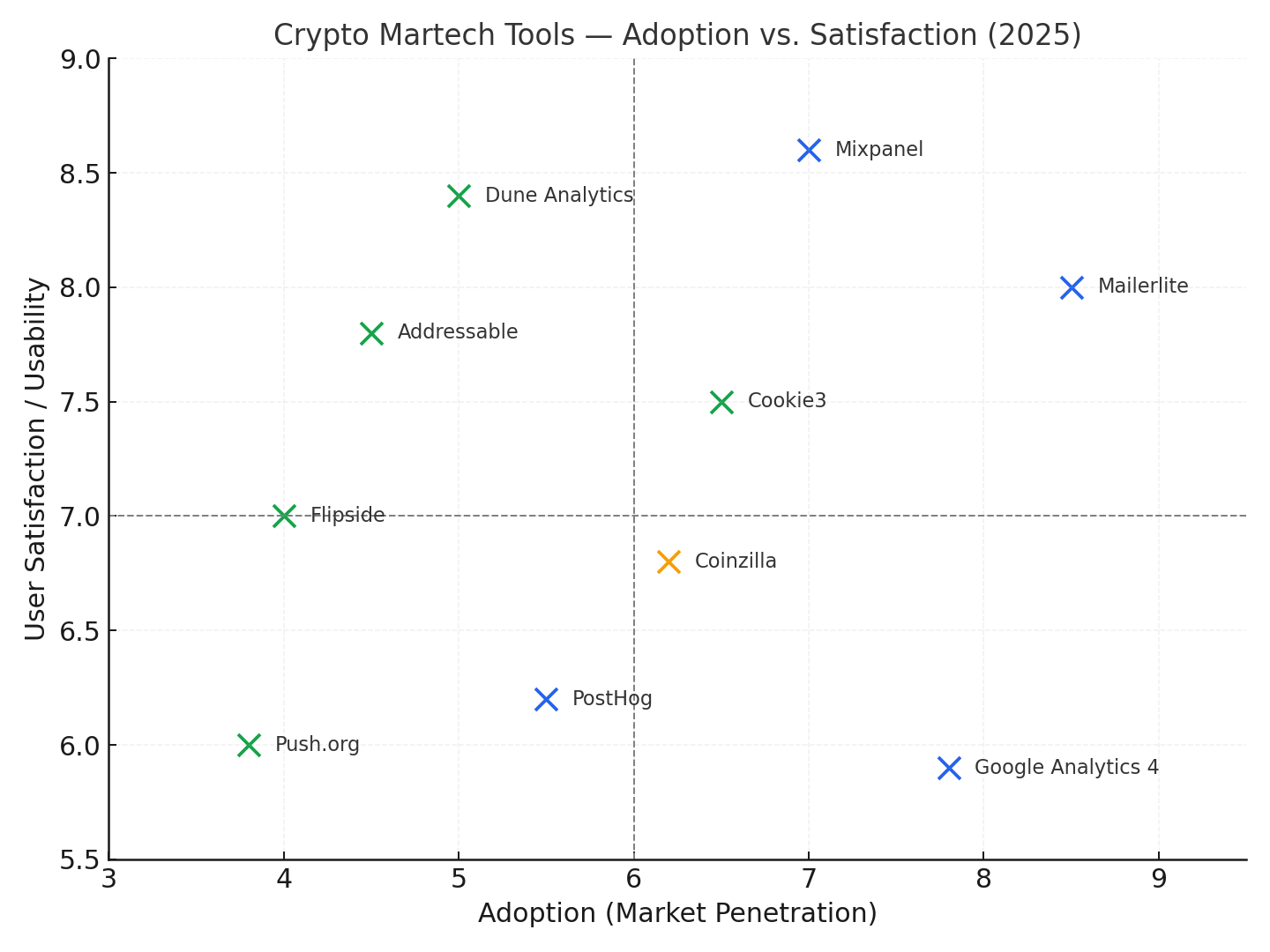
As crypto teams mature, they’re building more resilient and compliant marketing infrastructure. From CDPs that handle pseudonymous wallet behavior, to crypto-friendly CRMs and analytics stacks, the martech ecosystem in Web3 is quickly bifurcating into:
In crypto marketing, creative strategy is now inseparable from compliance, clarity, and community alignment. Gone are the days of hype-heavy slogans and meme-only landing pages—especially for brands operating in regulated markets or targeting institutional users.
Instead, leading Web3 teams are adopting a trust-first creative framework:
In 2024–2025, the highest-performing campaigns in crypto weren’t necessarily the flashiest—they were the ones that blended regulated reach, creator trust, UX simplicity, and regional localization. Below are three standout campaigns across different Web3 segments.
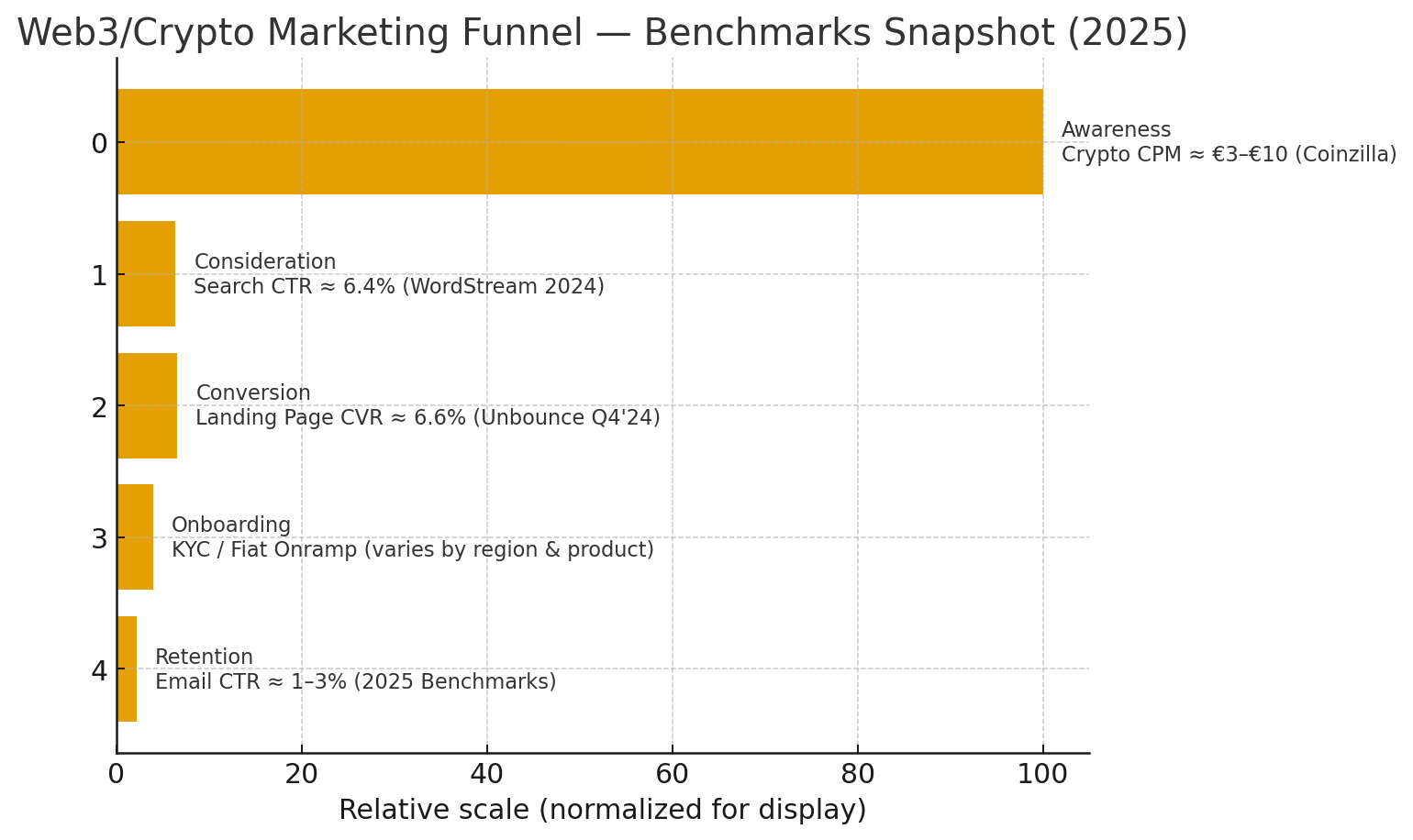
How to read this: The funnel below is a benchmarks snapshot that pairs a visual with sourced, paste‑friendly stats. Values are normalized for display (not absolute). Use the cited ranges to calibrate against your own data.
Where teams lose the most users:
Crypto marketers in 2025 are navigating a dual reality:
Below is a quadrant highlighting the highest-impact risks and emerging opportunities for growth teams in crypto and Web3.
Below are practical playbooks by company maturity and a Webflow‑ready 3×3 strategy matrix (Channel × Tactic × Goal). Tactics reflect the hybrid nature of crypto (institutional + retail) and the realities of certification, compliance, and community.
A) Early / Launch (exchanges, wallets, protocols pre‑PMF)
B) Growth / Scale (regional PMF, multi‑asset products)
C) Enterprise / Global (custody, ETFs, RWA/tokenization)
How to use: Pick 1–2 tactics per cell for this quarter. Reallocate 10–20% of spend toward the best performers each Q.
With spot Bitcoin ETFs approved, MiCA regulation enforced, and SEC/CFTC positioning stabilizing, crypto marketing is moving into a compliance-first, asset-backed phase. Creative must reflect this:
Prediction: By 2026, 50%+ of high-performing campaigns will mention licensing, audit, or ETF alignment in ad copy or landing pages.
As cookies continue to decline and wallet-hopping remains rampant, attribution and lifecycle engagement will be powered by:
Prediction: By late 2026, 70%+ of advanced Web3 brands will be running AI-personalized lifecycle campaigns tied to wallet cohorts, not CRM emails.
Post-KYC drop-off is still the biggest leak in most crypto funnels. We expect an increase in:
Prediction: The most effective retail crypto apps will lead with “your custody, your choice” narratives.
As Web3 globalizes, regional compliance (e.g., MiCA in EU, MAS in Singapore, SEC exemptions in U.S.) will dictate media allocation:
Prediction: By 2027, most exchanges will run country-specific LPs + asset/feature toggles by IP or device locale.
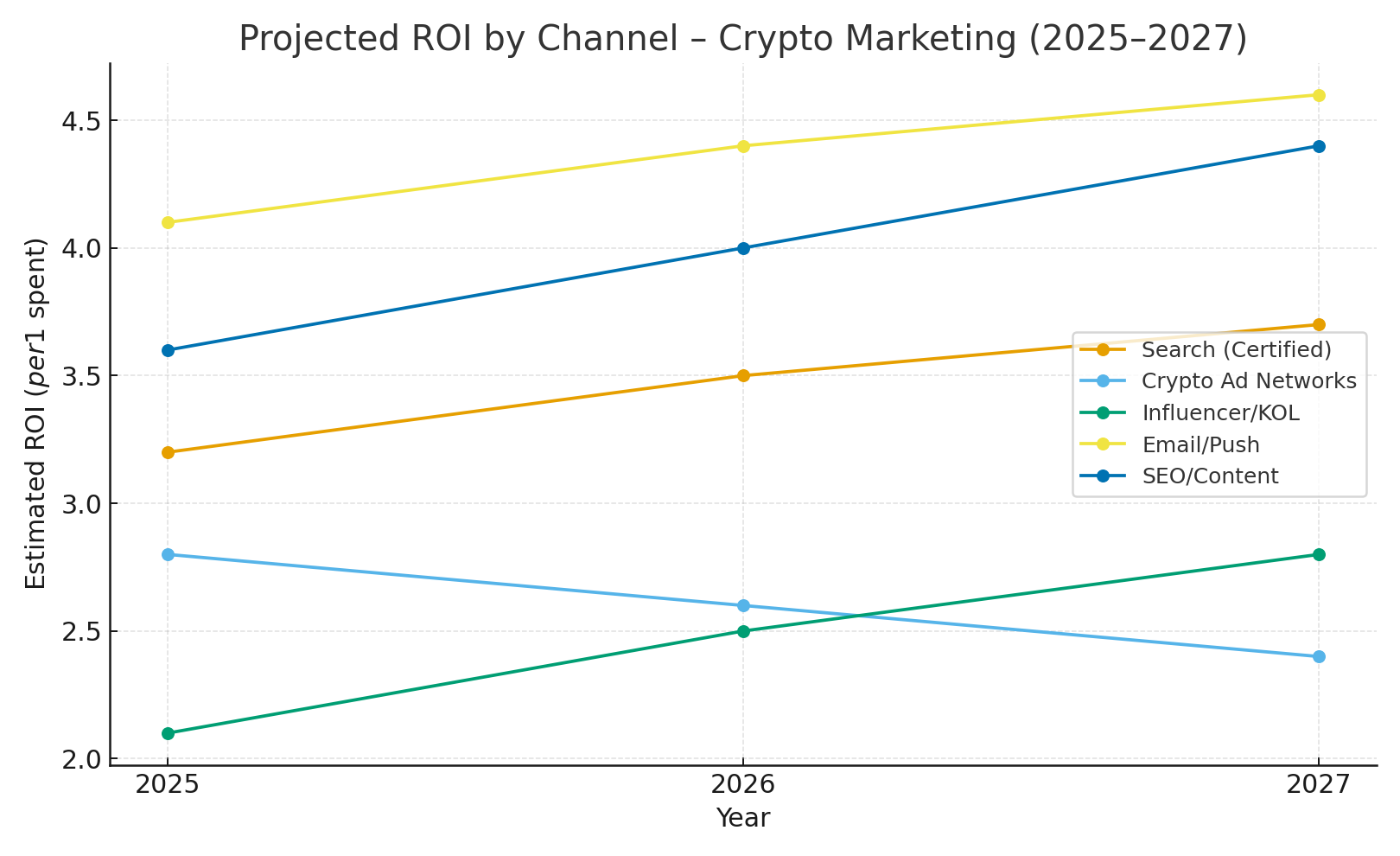
You’re free to excerpt tables/graphics in marketing materials with credit:
“Source: Marketer.co, Web3/Crypto Marketing Report 2025 (compiled from public data and modeled benchmarks).”

.svg)